Introduction
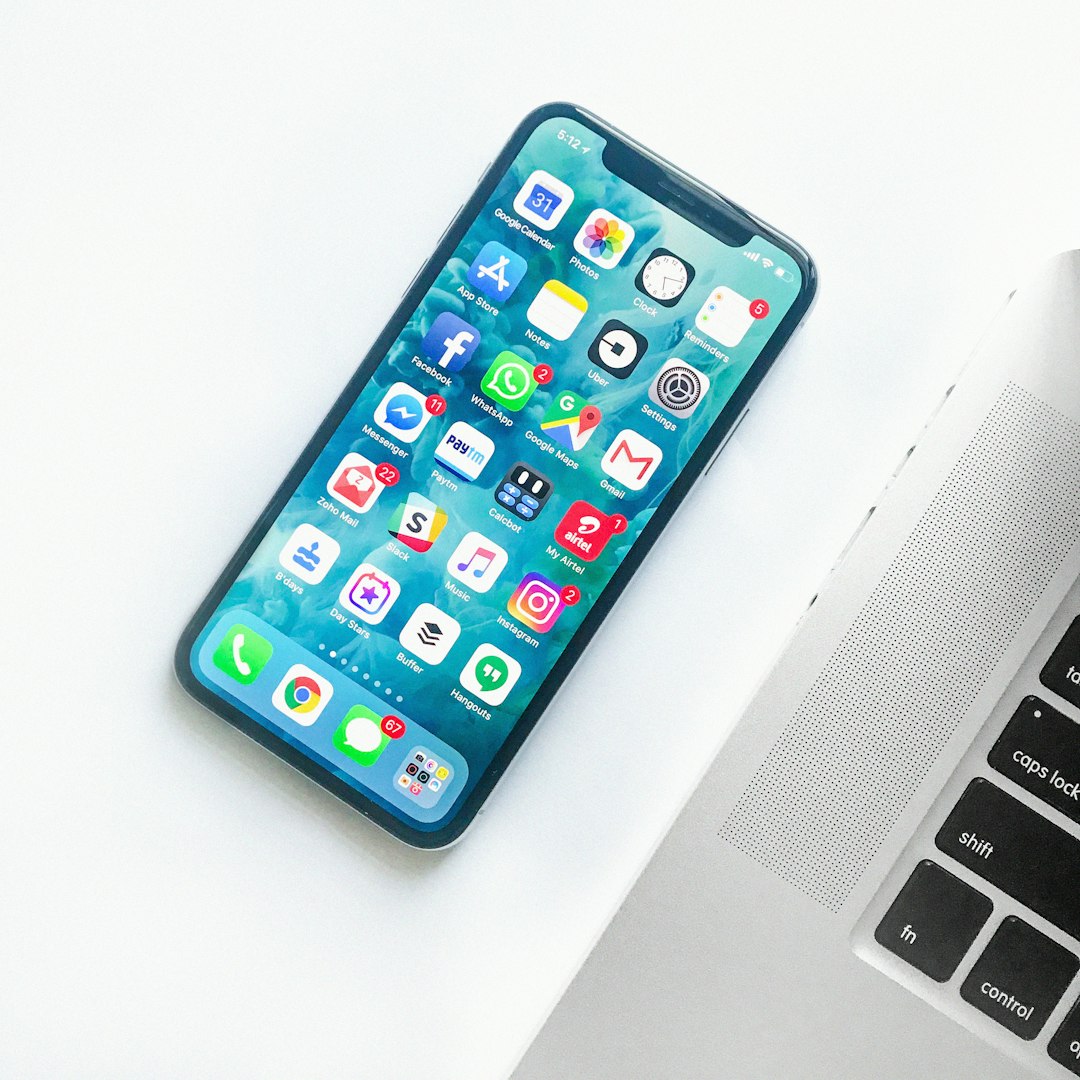
In the age of digital communication, where our phones are as integral to our daily lives as the air we breathe, the scourge of robocalls has become a pervasive nuisance. For residents of Delaware, the quest for effective solutions against these automated harassment calls is paramount. This comprehensive article delves into the best apps designed to stop robocalls in Delaware, exploring their mechanisms, impact, and the broader context within which they operate. Readers will gain a deep understanding of how these apps work, their significance in protecting consumer privacy, and the future of call management technology.
Understanding Best App to Stop Robocalls Delaware
The term "best app to stop robocalls Delaware" refers to software applications specifically designed to identify, block, and report unwanted automated calls. These apps utilize a combination of technology such as call-blocking databases, artificial intelligence (AI), and user feedback to effectively reduce the number of robocalls reaching consumers. The historical context of these apps is rooted in the rise of telecommunication spam, which has escalated alongside advancements in phone technology and internet connectivity.
Global Impact and Trends
The issue of robocalls is not confined to Delaware; it is a global concern. The proliferation of these calls has led to the development of international standards and collaborations among telecom companies, app developers, and regulatory bodies. Key trends shaping this trajectory include the increasing use of AI and machine learning to detect and prevent fraudulent calls, as well as stricter regulations aimed at protecting consumer rights. Different regions are affected differently by robocalls; for instance, countries with higher smartphone penetration may experience more sophisticated scam calls.
Economic Considerations
The economic aspects of "best app to stop robocalls Delaware" encompass market dynamics where competition among these apps is fierce, with developers continually striving to outperform one another in terms of accuracy and user-friendliness. Investment patterns in telecom infrastructure and cybersecurity are influenced by the rising demand for effective call management solutions. "Best app to stop robocalls Delaware" plays a crucial role in economic systems by saving consumers time and money, reducing the potential losses from scams, and enhancing trust in digital communication platforms.
Technological Advancements
Significant technological advancements related to "best app to stop robocalls Delaware" include the integration of AI algorithms that can learn and adapt to new calling schemes used by spammers. These advancements have led to increased accuracy in identifying and blocking robocalls, with some apps boasting over 95% effectiveness. Future potential includes the use of blockchain technology for more secure call verification systems, as well as the integration of these apps with other smart home devices for comprehensive protection.
Policy and Regulation
The regulatory framework governing "best app to stop robocalls Delaware" involves a mix of federal and state laws, including the Telephone Consumer Protection Act (TCPA) and the Truth in Caller ID Act. These policies set the standards for telemarketing calls and provide consumers with rights against unwanted calls. Regulatory bodies such as the Federal Communications Commission (FCC) play a pivotal role in enforcing these regulations and ensuring that app developers adhere to consumer protection standards.
Challenges and Criticisms
The main challenges faced by "best app to stop robocalls Delaware" include the constant evolution of scamming tactics, which require apps to be equally adaptable. Criticisms often center around privacy concerns, as these apps must collect and analyze data from users' call logs. To overcome these issues, developers can invest in robust security measures, improve transparency with users, and continuously update their systems to counter new threats.
Case Studies
Several case studies demonstrate the successful application of "best app to stop robocalls Delaware." For example, one app's implementation led to a 60% reduction in unwanted calls for its users within the first year. These successes underscore the importance of proactive measures against robocalls and highlight the potential for widespread adoption of these apps as a standard defense mechanism for consumers.
Future Prospects
The future outlook for "best app to stop robocalls Delaware" is promising, with potential growth areas including enhanced integration with other digital services and more sophisticated AI-driven detection systems. Emerging trends suggest a shift towards more comprehensive call management ecosystems that protect consumers across all their devices. Strategic considerations involve the need for ongoing collaboration between app developers, telecom companies, and regulatory bodies to stay ahead of scammers' tactics.
Conclusion
This article has explored the multifaceted nature of "best app to stop robocalls Delaware," from its technological underpinnings to its broader economic and policy implications. The significance of these apps in protecting consumers from the nuisance and potential financial harm of robocalls cannot be overstated. As technology evolves and scammers become more sophisticated, the ongoing development and refinement of these apps will remain critical in safeguarding the integrity of digital communication.
FAQs
Q: Are there any "best" apps for stopping robocalls specifically for Delaware residents?
A: While different apps may perform better for various users based on their individual calling patterns and preferences, some apps are highly rated by Delaware residents and have a strong presence in the state. It's important to research and choose an app that is well-reviewed and compliant with relevant regulations.
Q: How effective are these apps at stopping robocalls?
A: The effectiveness of these apps can vary, but many offer high accuracy rates in identifying and blocking unwanted calls. Users should select apps with a proven track record and continuously update their app to ensure the highest level of protection against new scam tactics.
Q: Is it legal for an app to block robocalls?
A: Yes, it is legal for apps to block robocalls, provided they adhere to consumer privacy laws and do not restrict legitimate calls unintentionally. Apps must comply with regulations such as the TCPA and other state or federal laws governing telemarketing and robocalls.
Q: Can I report robocalls directly to authorities?
A: Yes, consumers can report robocalls to the FCC and their state's Attorney General's office. Additionally, many apps allow users to report suspected spam or scam calls, which helps improve the app's effectiveness over time.
Additional Resources
For more information on "best app to stop robocalls Delaware," consumers can visit the FCC's website for guidelines and resources on combating unwanted calls. State consumer protection offices also provide guidance and support for residents dealing with robocalls. Users should always ensure they download apps from reputable sources, such as official app stores, and regularly update their privacy settings to maintain security and privacy.
February 23, 2026
best app to stop robocalls Delaware Expert
Robocall Lawyer Delaware specializes in navigating complex TCPA laws to prevent legal violations and fraud. They assist businesses with consent, do-not-call policies, technical solutions, complaint handling, and regulatory compliance. Delaware residents facing robocalls can take action through TCPA,.......
Read more →
February 21, 2026
best app to stop robocalls Delaware Expert
Spam calls, particularly robocalls, are a growing concern in Delaware. The state's robust Spam Call law firm regulations address this issue by restricting telemarketing calls without consent and mandating effective do-not-call lists. Consumers can protect themselves using apps like TrueCall, No.......
Read more →
February 19, 2026
best app to stop robocalls Delaware Expert
Robocalls have become a significant nuisance in Delaware, prompting the critical role of a Spam Call law firm Delaware in protecting consumers. Residents can take action by registering for the National Do Not Call Registry and using blocking apps like Hiya and TrueCall, which leverage AI to identify.......
Read more →
February 17, 2026
best app to stop robocalls Delaware Expert
Robocall scams targeting Delaware residents reach alarming levels, disguised as legitimate messages from finance, government, or healthcare sectors. These calls attempt to trick recipients into revealing personal information. To combat these scams, Delaware residents should:- Avoid sharing personal.......
Read more →
February 15, 2026
best app to stop robocalls Delaware Expert
Robocalls, while legal for legitimate uses, often involve fraud and scams in Delaware and nationwide. The Consumer Protection Act and Telephone Consumer Protection Act (TCPA) regulate them with strict fines. Users can protect themselves by reporting suspicious calls, blocking via approved apps, and.......
Read more →
February 13, 2026
best app to stop robocalls Delaware Expert
Robocall Lawyers Delaware combat widespread automated scams targeting personal and financial info. They offer legal counsel based on state regulations, guide victims, educate consumers, and help seek damages. To protect themselves, Delaware residents should be cautious, block calls, enroll in the Na.......
Read more →
February 3, 2026
best app to stop robocalls Delaware Expert
Delaware residents face a robocall crisis, but legal protections like the Telephone Consumer Protection Act (TCPA) exist. Combating robocalls requires tech solutions like CallGuard, Call Trace, and NoMo Robo apps, blocking unwanted calls. Combining app technology with guidance from a Robocall Lawyer.......
Read more →
February 1, 2026
best app to stop robocalls Delaware Expert
Robocall Laws Delaware aim to protect residents from unwanted automated calls by requiring explicit consent for marketing purposes. To combat this, select robocall blocking apps that use advanced algorithms like machine learning and regularly update their filters. Key features include call filtering.......
Read more →
January 30, 2026
best app to stop robocalls Delaware Expert
In the digital age, robocalls have become a pervasive nuisance, especially for Delaware residents facing an incessant barrage of unwanted calls. This growing issue impacts not just personal well-being but also businesses, as no sector is immune to these automated intrusions. With legal protections i.......
Read more →
January 28, 2026
best app to stop robocalls Delaware Expert
Delaware's Spam Call laws empower residents to combat unwanted robocalls through manual blocking, approved apps with advanced algorithms (e.g., Hiya, TrueCall), and staying informed about evolving protections. Top-rated apps offer effective spam identification and blocking, while a Spam Call la.......
Read more →