
Robocalls are a prevalent issue in Delaware, with residents facing unwanted calls from telemarketers, scammers, and law firms. While federal laws like TCPA govern automated messages, technological advancements challenge their effectiveness. Delaware residents can protect themselves by:
- Registering on the national Do Not Call Registry.
- Using reputable robocall prevention apps like TrueCall, Hiya, NoCall, RoboKiller, or Hush for advanced blocking and noise cancellation.
- Staying vigilant during calls from unknown numbers and reporting suspicious activity to state and federal authorities.
Do Not Call law firms play a crucial role in combating nuisance calls, but advanced robocall technology requires robust app features like machine learning and AI for comprehensive protection.
In today's digital age, robocalls have become a pervasive nuisance for Delaware residents, with unwanted calls from telemarketers and even law firms frequently disrupting daily life. The Do Not Call laws, while beneficial, are not always effective against persistent callers. This is where robust robocall prevention apps step in as a powerful solution. Our article delves into the best available options tailored specifically for Delawareans, empowering them to reclaim their communication channels and enjoy greater peace of mind. By exploring these innovative tools, we aim to guide residents toward regaining control from unwanted calls, particularly those from law firms, naturally fostering a quieter, more enjoyable environment.
Understanding Robocalls in Delaware: The Legal Perspective

Robocalls have become a ubiquitous nuisance across Delaware, with many residents receiving unwanted calls from telemarketers, scammers, and even legal entities. While some robocalls are easily identifiable as fraudulent, others can be more subtle, masquerading as legitimate business or government communications. In Delaware, the Do Not Call law firms play a crucial role in protecting residents from these nuisance calls, but understanding the legal perspective is essential for effective prevention.
The Telephone Consumer Protection Act (TCPA) serves as the primary legal framework governing robocalls in the United States, including Delaware. This federal legislation mandates that companies obtain prior express consent before calling residential telephone numbers using automated dialing systems or prerecorded messages. However, certain exceptions apply, such as calls from government agencies, non-profit organizations, and businesses with which consumers have an existing relationship. Importantly, Delaware residents can register their phone numbers on the national Do Not Call Registry, which prohibits most telemarketers from calling unregistered numbers.
Despite these legal safeguards, robocalls persist due to technological advancements that enable circumvention of traditional blocking methods. This has led to a surge in sophisticated scams targeting Delaware residents. To combat this, consumers should remain vigilant and exercise their rights under the TCPA. Reporting unwanted calls to both state and federal authorities can help enforce the law and protect others from becoming victims. Additionally, installing reputable robocall prevention apps can significantly reduce the volume of nuisance calls received, providing a practical layer of defense against these pervasive intrusions.
Best Apps to Block Automated Calls: A Comprehensive Guide

For Delaware residents looking to protect their privacy from unwanted robocalls, there are several robust apps available that offer effective do not call protection. These applications leverage advanced technologies such as machine learning algorithms to identify and block automated calls, ensuring a quieter, more peaceful communication experience.
One standout app in this category is TrueCall. This highly rated application doesn't just block robocalls; it provides detailed call data, allowing users to see patterns of spam calls over time. TrueCall's smart blocking system learns from user feedback, continuously refining its ability to recognize and filter out unwanted numbers. Another notable mention is Hiya, which has gained popularity for its comprehensive call screening functionality. The app analyzes caller IDs against global databases, flagging known spammer numbers and providing users with real-time alerts before any call is connected.
In Delaware, where the Do Not Call law firms are strictly enforced, these apps offer a powerful layer of defense against persistent robocallers. According to recent statistics from the Federal Trade Commission (FTC), millions of complaints about unwanted calls are filed annually, highlighting the ever-present issue. By utilizing these blocking applications, residents can not only protect their personal time but also contribute to a more peaceful and respectful communication environment. Moreover, many of these apps offer customizable settings, allowing users to tailor their privacy preferences according to specific needs.
Do Not Call Law Firms Delaware: Protecting Your Rights
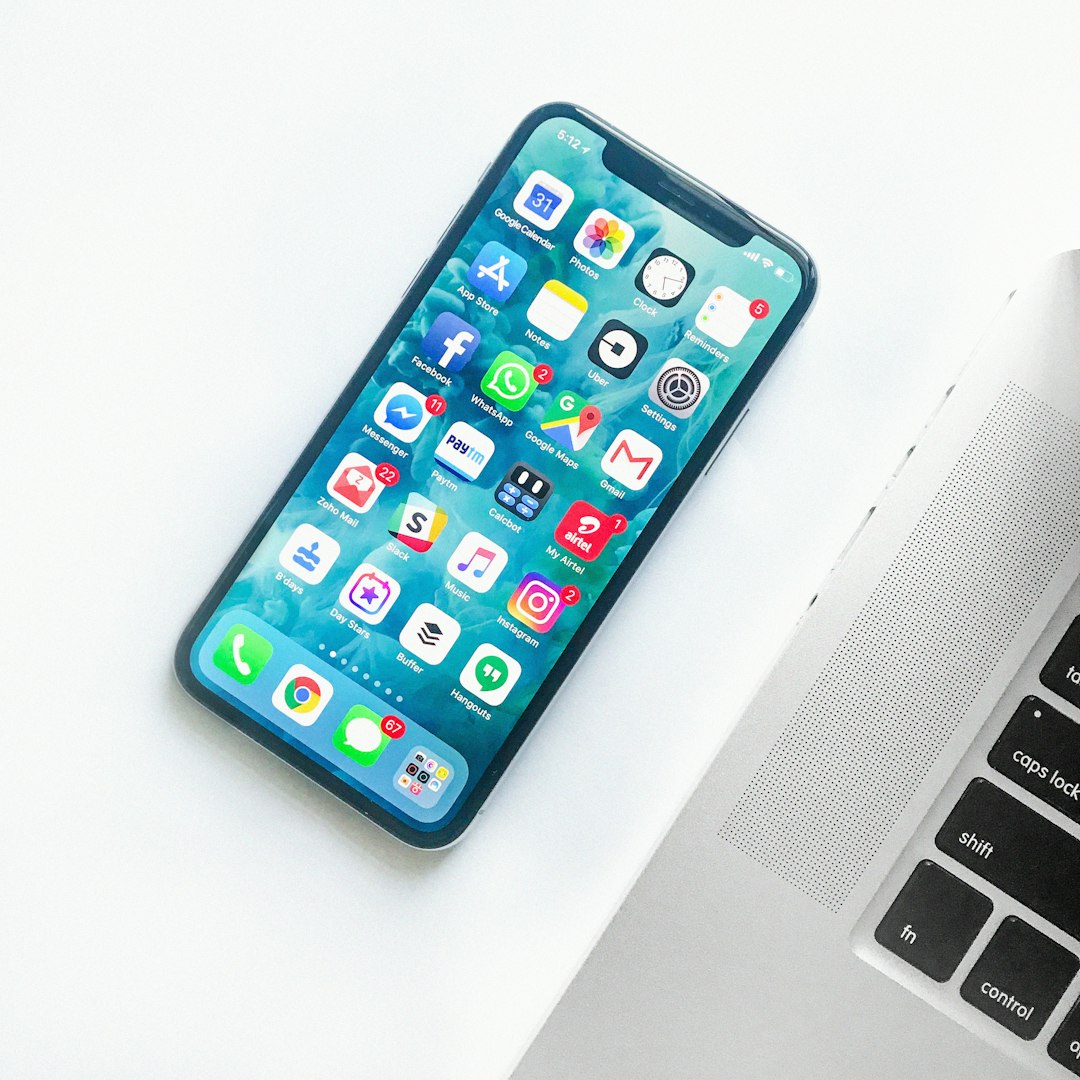
In Delaware, as in many states across the nation, Do Not Call laws are designed to protect residents from unwanted telemarketing calls, including those from law firms seeking new clients or trying to sell legal services. However, with an ever-evolving array of robocall technology, these automated phone calls can still slip through the cracks, leading to frustration and privacy concerns for Delaware citizens. To combat this, several robust apps have emerged that employ advanced noise cancellation, caller ID screening, and dynamic blocking lists to identify and block Do Not Call violations, including those from law firms operating in Delaware.
One such app is NoCall (formerly known as Donotcall.info). This user-friendly application not only blocks unwanted calls but also provides a comprehensive database of known telemarketers and spamming law firms. By learning from community reports, NoCall continually updates its blocking list, ensuring that Delaware residents are protected against recurring Do Not Call violations. Another notable mention is Hiya, which leverages advanced AI to identify not just telemarketers but specific types of calls, including those from law firms. Its detailed call analytics offer insights into the tactics used by these entities, empowering users with knowledge that can aid in future interactions.
For maximum protection, Delaware residents should consider integrating multiple layers of defense. While apps like NoCall and Hiya form the first line of defense, it's crucial to remain vigilant during calls from unknown or suspicious numbers. The Do Not Call Registry maintained by the Federal Trade Commission (FTC) is a powerful tool; registering your number not only protects you from calls from known telemarketers but also helps in tracking the effectiveness of these laws. Additionally, being informed about common strategies used by law firms to solicit new clients—such as impersonating local numbers or using pre-recorded messages—can help users identify and report suspicious activity more effectively. By combining technological solutions with proactive vigilance, Delaware residents can reclaim their phone lines from unwanted calls, ensuring a safer and less disruptive communication experience.
Enhancing Privacy: Advanced Tips for Call Filtering
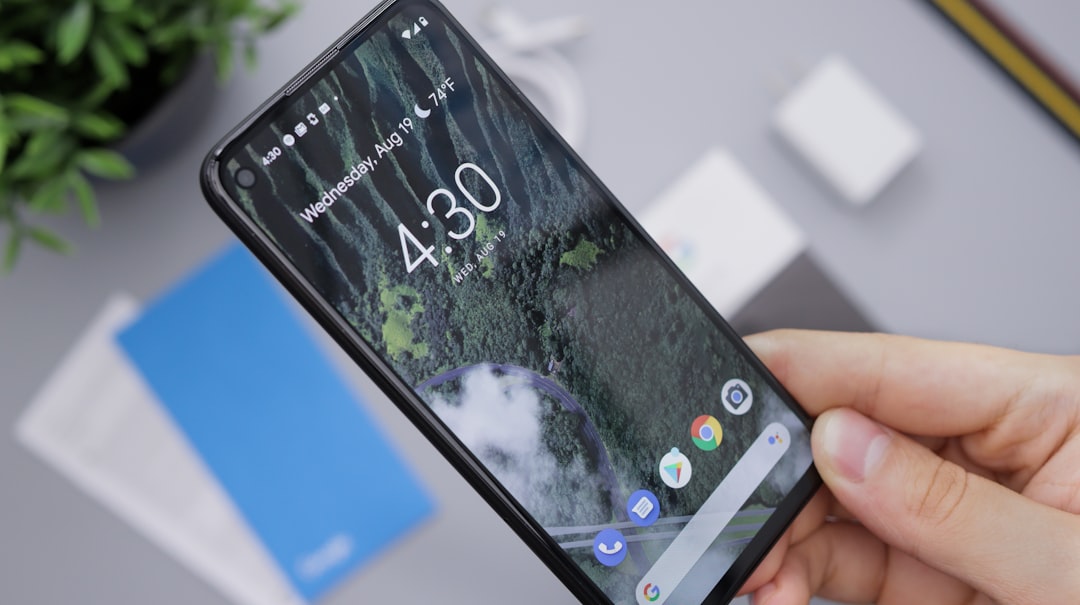
In Delaware, as across the nation, robocalls remain a significant nuisance and privacy concern for residents. While many apps offer basic call blocking, advanced features tailored to the intricate world of automated telemarketing are essential for robust protection. Enhancing privacy through sophisticated call filtering is a proactive approach that empowers Delawareans to reclaim control over their communication channels.
The Do Not Call laws in Delaware, while effective against unsolicited calls from telemarketers, do not extend to robocalls. This gap underscores the need for advanced solutions. Today's cutting-edge apps leverage machine learning and artificial intelligence to identify and block these relentless automated calls. By analyzing call patterns, sender data, and content, these applications can differentiate between legitimate calls and unwanted robocalls with remarkable accuracy.
Consider, for instance, tools like RoboKiller or Hush. These apps not only block but also learn and adapt to new telemarketing tactics. They offer customizable settings, allowing users to specify preferences for blocked numbers, call types, and even hours of protection. By integrating these advanced features, Delaware residents can effectively mitigate the influx of unwanted calls, ensuring a quieter, more peaceful communication environment. Remember, staying informed about the latest privacy enhancements in call filtering is crucial in navigating the ever-evolving landscape of telemarketing technology.