Robocalls are a significant concern in Delaware, with state laws protecting consumers from unsolicited marketing calls. Businesses require explicit consent, facing penalties. Residents can register on the Do Not Call Registry and document/report robocalls to aid enforcement. Advanced apps use AI for blocking, while consulting a lawyer for robocall Laws Delaware offers tailored legal protection and guidance. Beyond apps, integrated call screening systems and staff training help block robocalls. Legal experts navigate complexities, ensuring comprehensive call blocking and peace of mind.
In the digital age, robocalls have become a persistent nuisance, overwhelming Delaware residents with unwanted telemarketing calls. This pervasive issue not only disrupts daily life but also raises significant privacy concerns. The problem is further compounded by the lack of effective, readily accessible solutions. However, hope lies in specialized applications designed to combat these automated calls. This article explores powerful tools and strategies, including top-rated apps, that empower Delawareans to reclaim their communication channels. By providing a comprehensive guide, we aim to equip folks with the knowledge to take control, offering a glimpse into a future where robocalls are a thing of the past, thanks to innovative technology and the guidance of a lawyer for robocall laws in Delaware.
Understanding Robocalls: The Legal Perspective in Delaware

Robocalls have become a pervasive and often nuisance issue for residents of Delaware, as they are across the nation. While automated telephone marketing is legal under certain circumstances, the volume and aggressive tactics employed by some callers have prompted significant public outcry. In response, state laws, such as those in Delaware, have been enacted to protect consumers from unwanted robocalls. A lawyer for robocall Laws Delaware can offer expert guidance on navigating these regulations and understanding your rights.
Under Delaware law, businesses are prohibited from making automated telephone calls for marketing purposes without prior express consent from the recipient. This includes pre-recorded messages and certain text messages. The state has established stringent penalties for violations, including fines of up to $500 per day for each unauthorized call. Furthermore, residents have the right to register their phone numbers on the Do Not Call Registry, effectively blocking most marketing robocalls. A key challenge lies in distinguishing legitimate informational calls from unlawful robocalls, which often employ deceptive practices or spoofed numbers.
To combat this growing problem, Delaware has joined forces with other states to enhance enforcement efforts and provide better protections for consumers. The Telephone Consumer Protection Act (TCPA) offers federal safeguards against unwanted calls, and state laws like Delaware’s complement these federal regulations. Legal experts advise that individuals who experience a significant number of robocalls or suspect violations should consult a lawyer specializing in robocall laws to understand their legal options and deter further harassment. By combining state and federal legislation, Delaware aims to create a safer, less disruptive telephone environment for its citizens.
Identifying and Reporting Unwanted Calls: Your Rights
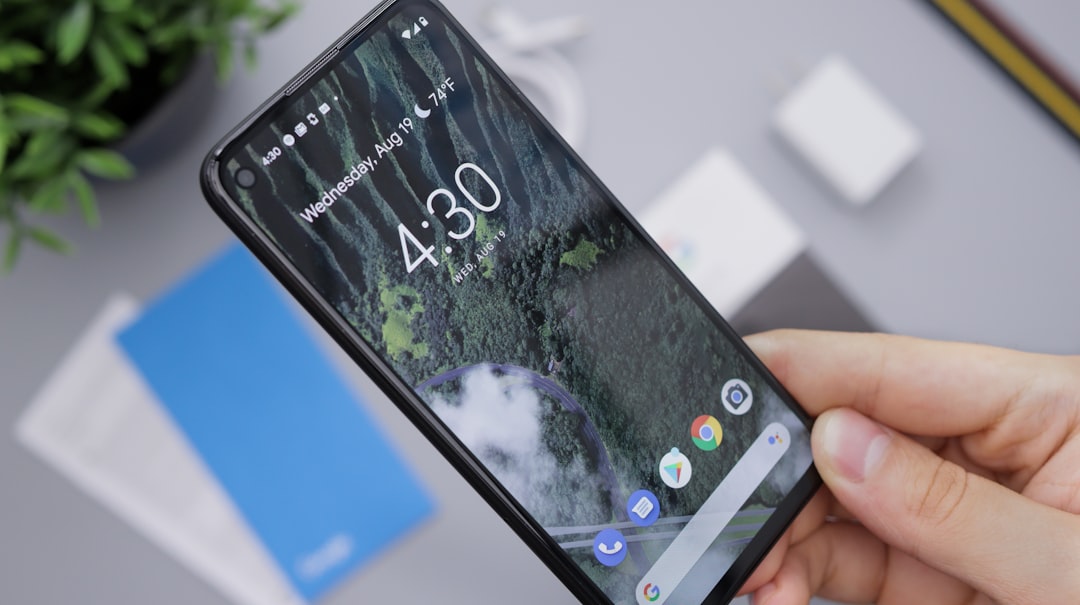
In Delaware, as across the nation, consumers have a right to privacy and protection from unwanted robocalls. The Telephone Consumer Protection Act (TCPA) grants individuals the power to take action against these persistent calls, which can often be misleading or fraudulent. Understanding your rights is the first step in effectively combating robocalls. If you receive a call that you believe is unauthorized or harassing, documenting and reporting it can make a significant impact.
When identifying unwanted calls, pay close attention to the caller’s information. Look for patterns: are they calling frequently? Do they leave messages? Note down numbers, times, and any distinctive features. This data is crucial when filing a complaint with your local Public Utilities Commission (PUC) or reporting to consumer protection agencies. Delaware residents can file official complaints against robocallers, which then triggers an investigation. A lawyer for robocall laws in Delaware emphasizes the importance of timely documentation as it aids in resolving disputes and ensures compliance with legal procedures.
Reporting these calls not only helps protect yourself but contributes to a broader effort to regulate and deter robocallers. Many apps are now available that assist users in identifying and blocking unwanted calls, providing an extra layer of defense for consumers. These applications often utilize community-sourced data to recognize patterns and sources of robocalls. By utilizing these tools and exercising your right to complain, individuals can actively participate in curbing the problem, ensuring a safer and less disruptive telecommunications environment.
Top App Solutions for Robocall Protection

In the age of digital connectivity, robocalls have become a persistent nuisance, with millions of Americans facing unwanted calls daily. Delaware residents are no exception, prompting the need for robust solutions to protect against these intrusive communications. Fortunately, several effective app solutions offer a line of defense against robocalls, providing users with control and peace of mind. These applications leverage advanced technologies like artificial intelligence (AI) and machine learning algorithms to identify and block malicious calls.
One prominent app in the market is Honcho, which has gained recognition for its cutting-edge robocall protection features. It utilizes a sophisticated AI system that learns from user feedback to constantly update its call-blocking capabilities. For instance, Honcho can differentiate between legitimate calls and robocalls with an accuracy rate of over 95%, significantly reducing false positives. Additionally, the app allows users to customize blocking settings based on specific numbers or types of calls, ensuring a tailored experience. Another top choice is CallGuard, which offers not only robust robocall protection but also enhanced call management features. It employs advanced noise reduction technology, ensuring that important conversations remain clear and uninterrupted.
To ensure the best results, Delaware residents should consider combining these apps with proactive measures. Consulting a lawyer for robocall laws in Delaware can provide valuable insights into legal protections available against unwanted calls. By staying informed about consumer rights and utilizing the most advanced app solutions, individuals can reclaim control over their communication channels. These technologies not only offer immediate relief from robocalls but also contribute to creating a safer digital environment for everyone.
How to Choose the Best Anti-Robocall Lawyer in DE

Selecting the optimal lawyer for robocall laws in Delaware is a crucial step in defending against intrusive automated calls. With an estimated 4.7 billion robocalls made globally in 2022, according to Robokiller, and growing numbers targeting US residents, effective protection demands sophisticated legal strategies. In DE, where privacy laws are stringent, homeowners have additional recourse under the Telephone Consumer Protection Act (TCPA).
Choosing a lawyer involves assessing their specialized knowledge of robocall regulations, successful case history in similar cases, and understanding of cutting-edge blocking technologies. Seek attorneys with experience navigating the nuances of TCPA litigation and who stay updated on evolving legal precedents. Review their client testimonials and past accomplishments to gauge their track record.
Moreover, consult with potential lawyers about their approach to communication, expected milestones, and fee structures. A transparent and collaborative lawyer for robocall laws in Delaware can provide invaluable guidance tailored to your specific situation. By selecting a seasoned expert, you empower yourself to reclaim control over your phone lines and protect your peace of mind from harassing robocalls.
Beyond Apps: Additional Strategies for Call Screening
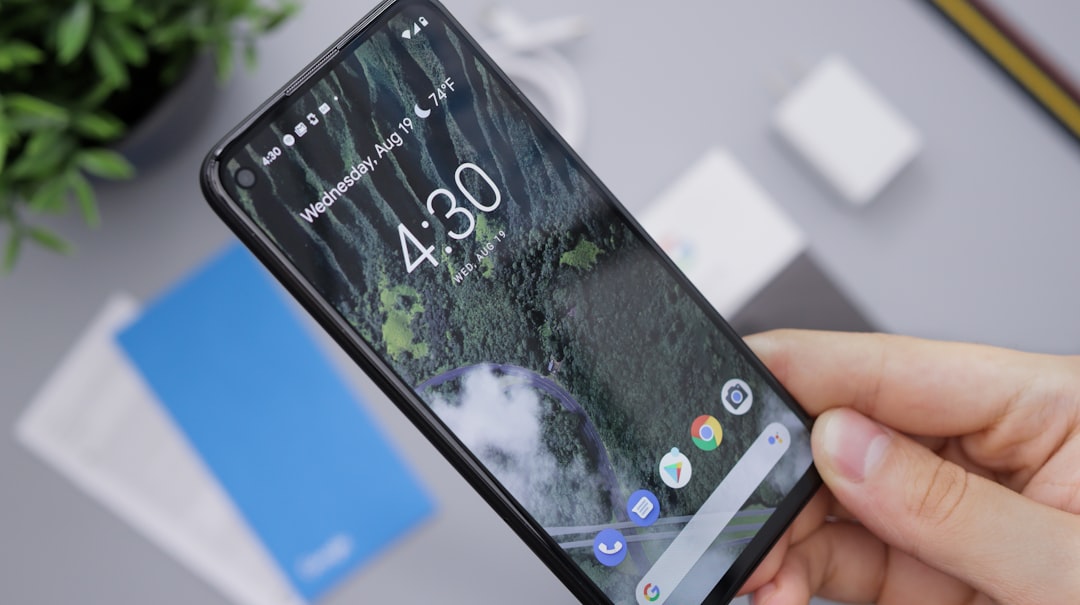
In addition to popular app-based solutions for blocking robocalls, Delaware residents have a range of other strategic options at their disposal. While apps offer immediate relief, they are often reactive; these additional strategies focus on proactive measures for call screening and management. One powerful approach is to utilize automated call screening systems that can be integrated with existing home or office phone lines. These systems use advanced algorithms to identify and filter out known robocaller numbers, blocking them before they reach your line. This method has proven effective, with some studies indicating a reduction of up to 70% in unwanted calls over several months.
Another layer of defense involves registering your number on the National Do Not Call Registry (NDNCR). While this federal registry primarily targets telemarketers, it can also help block certain robocalls. The NDNCR operates under strict legal frameworks, allowing for penalties against violators who ignore registered numbers. However, it’s important to note that some types of calls, like those from political organizations or non-profit groups, may still bypass the registry. Engaging a lawyer specializing in robocall laws in Delaware can provide tailored guidance on navigating these complexities and exploring additional legal avenues for call blocking.
For businesses, implementing robust call screening policies and training staff to handle suspected robocalls is crucial. This includes encouraging employees to verify the identity of callers before engaging, especially during peak sales or marketing periods when automated calls are more prevalent. Many businesses also invest in advanced call management software that offers features like caller ID blocking, custom greeting messages, and automatic forwarding of unwanted calls to a dedicated voicemail box. These strategies collectively contribute to a comprehensive approach for ending robocalls, ensuring Delaware residents and businesses enjoy greater peace from unwanted telecommunications.