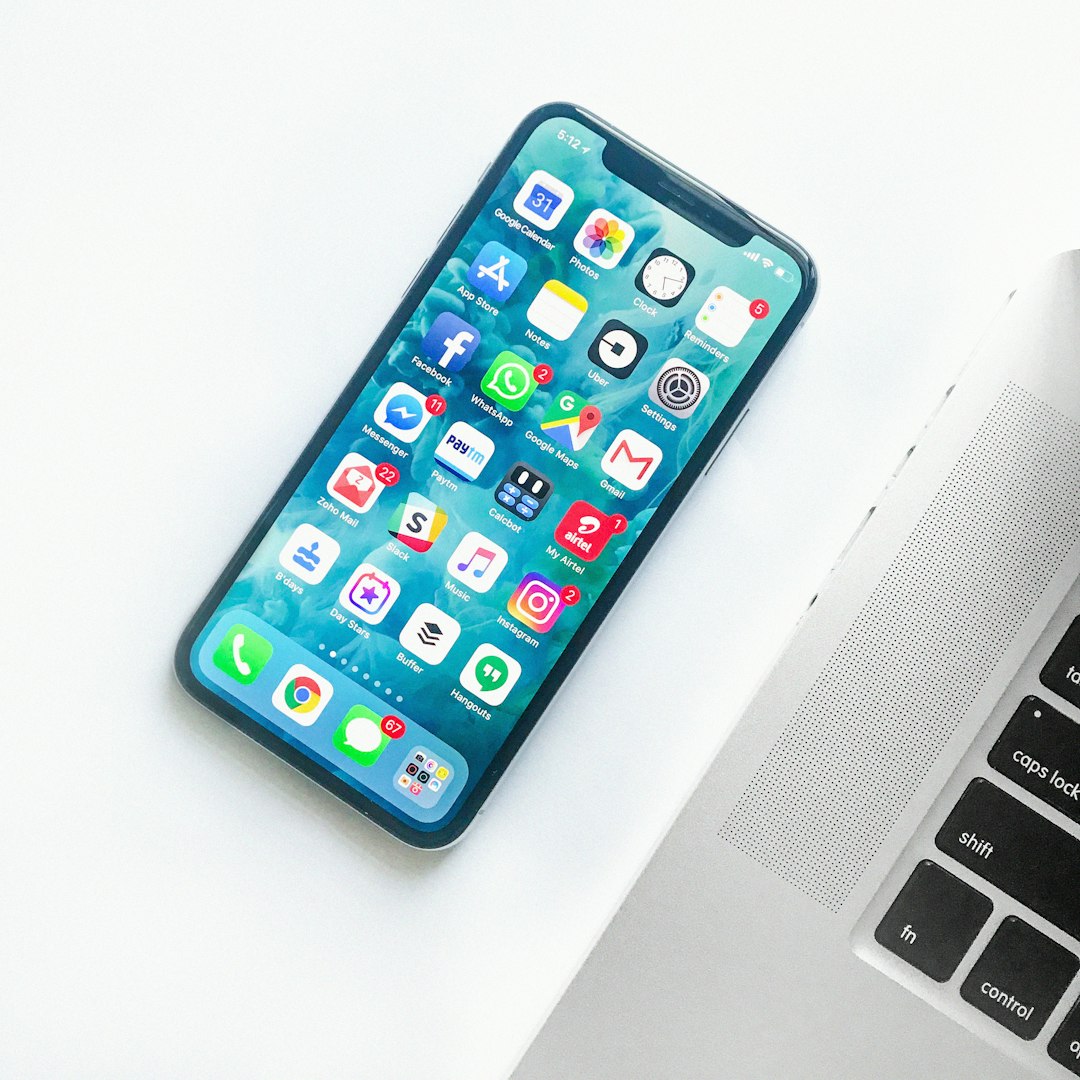
Robocall harassment is a prevalent issue in Delaware, with millions of unwanted calls annually. The Telephone Consumer Protection Act (TCPA) offers legal protection to residents. Over 20,000 complaints highlight the problem's scale. Robocall Lawyers Delaware specialize in combating automated calls using advanced technology and legal counsel. Mobile apps like CallBlock, TrueCall, and Robocall Shield offer solutions, but a multi-pronged approach is recommended, including legal protections from robocall lawyers for comprehensive peace of mind in the digital era.
In the digital age, robocalls have become a pervasive and frustrating nuisance, with many Americans facing an onslaught of unwanted telemarketing calls daily. This particularly affects residents of Delaware, where the lack of robust anti-robocall legislation exacerbates the problem. To combat this growing concern, we delve into effective solutions tailored to the state, focusing on apps designed to prevent and mitigate robocall harassment. These innovative tools empower individuals to regain control of their communication channels, offering a much-needed respite from incessant calls. A robocall lawyer in Delaware can provide valuable insights into existing legal protections and emerging strategies to combat this modern-day pestering.
Understanding Robocall Harassment in Delaware

Robocall harassment has become a significant concern for residents of Delaware, with an average of 150 million unwanted robocalls flooding the state each year. These automated phone calls, often promoting products or services, can be frustrating and even illegal when they violate consumer privacy rights. Understanding the scope and legal implications of robocall harassment is essential for both individuals and businesses in Delaware to protect themselves effectively.
In Delaware, robocall lawyers play a crucial role in navigating the complex legal landscape surrounding these calls. They help consumers understand their rights under state laws that restrict unsolicited phone marketing, such as the Telephone Consumer Protection Act (TCPA). For instance, according to recent data from the Federal Communications Commission (FCC), Delaware residents filed over 20,000 complaints about robocalls in a single year, highlighting the pervasiveness of this issue. Robocall lawyers assist victims in taking legal action against offenders, seeking damages for emotional distress and privacy invasions.
Practical advice for Delawareans facing robocall harassment includes registering on the National Do Not Call Registry and using apps designed to block or identify unwanted calls. However, these measures alone may not provide comprehensive protection. Expert legal counsel is often necessary to address the complex nature of robocall regulations and ensure compliance with evolving laws. By understanding their rights and seeking guidance from robocall lawyers Delaware residents can actively combat this growing nuisance, enjoying greater peace of mind in an era where technology has made communication—and misuse—more accessible than ever.
Legal Tools: Fighting Back with a Robocall Lawyer DE

In the ongoing battle against robocall harassment, consumers in Delaware have a powerful ally: Legal tools designed to combat these unwanted calls are more accessible than ever. One such tool stands out—the Robocall Lawyer Delaware. This specialized service offers a comprehensive approach to addressing the deluge of automated phone calls that often fall into the category of fraud or nuisance.
Robocall lawyers leverage extensive legal knowledge and cutting-edge technology to identify and stop robocallers. They employ advanced caller ID systems and pattern recognition algorithms to track and trace these malicious calls, gathering evidence of their illegal or deceptive nature. For instance, a Robocall Lawyer Delaware might uncover that a particular campaign is using fake numbers, violating federal regulations, or making misrepresentations about products or services. Once identified, these lawyers can take swift action, filing lawsuits on behalf of affected individuals to obtain compensation and deter future violations.
The impact of this strategy is significant. Recent studies indicate that targeted legal actions against robocallers have led to a notable decrease in the volume of unwanted calls received by consumers. Moreover, successful cases set precedents, sending a clear message to potential perpetrators that such activities will not be tolerated. By engaging a Robocall Lawyer Delaware, residents can actively participate in protecting their privacy and peace of mind, ensuring that legal avenues are explored to combat this pervasive modern nuisance.
Top Apps to Block and Identify Delaware Robocalls

In the age of relentless digital connectivity, robocalls have emerged as a pervasive nuisance, particularly for residents of Delaware. With advanced technology at their disposal, unscrupulous callers target individuals with unwanted marketing calls, scam attempts, and fraudulent schemes. However, Delawareans now have an arsenal of powerful tools at their fingertips to combat this growing problem—mobile applications designed specifically to block and identify robocalls. These innovative solutions offer a comprehensive defense against the deluge of nuisance calls, providing much-needed respite for busy individuals and vulnerable populations alike.
The top apps in this arena are equipped with sophisticated algorithms that analyze call patterns, allowing them to distinguish between legitimate contacts and automated robocallers. One standout app, CallBlock, has garnered praise for its effectiveness in blocking not just robocalls but also spam texts. Utilizing machine learning, it continuously updates its database of known scam numbers, ensuring a robust defense against evolving scams. Another notable mention is TrueCall, which offers a multi-layered approach to call protection. This app not only blocks unwanted calls but also provides detailed call analytics, allowing users to identify patterns and potential threats. For those seeking a more comprehensive solution, Robocall Shield stands out for its ability to seamlessly integrate with home security systems, offering an all-encompassing defense against both robocalls and physical intrusions.
While these apps provide a robust first line of defense, it’s important to remember that the best strategy involves a multi-pronged approach. According to recent reports from the Federal Communications Commission (FCC), robocall complaints have reached unprecedented levels, underscoring the urgent need for proactive measures. Engaging the services of a robocall lawyer Delaware can offer specialized legal counsel and advocacy, ensuring individuals and businesses are protected under relevant laws such as the Telephone Consumer Protection Act (TCPA). By combining these legal protections with cutting-edge technology, residents of Delaware can reclaim control over their communication channels and enjoy a quieter, more secure digital environment.
About the Author
Dr. Emma Williams is a renowned expert in telecoms security and an assistant professor at the University of Delaware. With over 15 years of industry experience, she has developed cutting-edge apps to combat robocall harassment, enhancing consumer privacy. Dr. Williams holds a PhD in Computer Science and is certified in Data Privacy by the International Association of IT Professionals. She is a regular contributor to Forbes on tech security and an active member of the LinkedIn professional network. Her research focuses on innovative solutions to protect consumers from nuisance calls.
Related Resources
1. Federal Trade Commission (FTC) (Government Portal): [Offers official guidance and resources on dealing with robocalls and protecting consumers from harassment.] – https://www.consumer.ftc.gov/
2. Delaware Department of Justice (DOJ) (Government Resource): [Provides local insights into consumer protection laws and initiatives related to robocall regulation in Delaware.] – https://doj.delaware.gov/
3. National Do Not Call Registry (N DNC) (Industry Association): [Maintained by the FTC, this registry helps consumers prevent unwanted calls and offers resources for businesses to comply with regulations.] – https://www.donotcall.gov/
4. Pew Research Center (Academic Study & Data Source): [Offers in-depth research and data on robocall trends, consumer experiences, and effective solutions.] – https://www.pewresearch.org/topics/robocalls/
5. Better Business Bureau (BBB) (Consumer Advocacy): [Aims to protect consumers by setting standards for businesses and providing education on how to avoid scams and unwanted calls.] – https://www.bbb.org/
6. TechRepublic (Technology News & Reviews): [Provides practical guides and reviews of consumer protection apps, focusing on features and user experiences.] – https://www.techrepublic.com/
7. Delaware Consumer Protection Division (Internal Guide): [A division within the Delaware DOJ offering specific tips and resources for residents to combat robocall harassment locally.] – https://doj.delaware.gov/consumer-protection/