
Delaware residents plagued by robocalls have legal protection under state laws and federal regulations like the TCPA. Key steps include registering on the National Do Not Call Registry and consulting a lawyer for robocall laws Delaware when calls persist. Top-rated anti-robocall apps like NoCall, Hush, and TrueCall offer blocking and screening features. Legal professionals specialize in navigating complex regulations, pursuing damages, and deterring violators through settlements. App selection should focus on AI accuracy, ease of use, privacy policies, and regular updates for comprehensive protection.
In today's digital age, unwanted robocalls have become a persistent nuisance, with millions of Americans plagued by these automated phone calls daily. Delaware residents are no exception, facing the challenge of managing these intrusive messages that often promote fraudulent schemes or disturb personal time. This article delves into the rising concern surrounding robocalls and offers a practical solution: exploring top-rated anti-robocall apps designed to mitigate this growing issue. By providing an authoritative guide to the best-in-class applications, we empower Delawareans to take control of their phone lines and protect themselves from unwanted calls, backed by expert insights for a more peaceful and secure communication experience.
Understanding Robocalls in Delaware: Laws & Regulations

Robocalls have become a pervasive issue across Delaware, with many residents receiving unsolicited calls from automated systems daily. These automated messages, often used for telemarketing or political campaigning, can be intrusive and frustrating. However, Delaware has implemented specific laws and regulations to combat this growing problem, offering some relief to its citizens. Understanding these rules is essential for both consumers and businesses to ensure compliance and protect their rights.
Delaware's anti-robocall legislation is designed to safeguard residents from deceptive or nuisance calls while promoting responsible marketing practices. The state's laws prohibit automated telephone systems from calling individuals without their prior express consent, with exceptions for certain types of organizations, such as government agencies or non-profit groups. Importantly, this means that a lawyer for robocall laws Delaware can assist in navigating these regulations and help businesses establish legitimate call practices. Fines for violations can be substantial, emphasizing the severity of the issue.
Consumers in Delaware have several protections under these laws. They include the right to register their phone numbers on the National Do Not Call Registry, which restricts marketing calls from specific organizations. Additionally, the state's Attorney General's Office actively enforces anti-robocall laws and provides resources for consumers to file complaints. By exercising these rights and involving a lawyer specializing in robocall laws Delaware, residents can take proactive steps to curb unwanted automated calls and ensure their privacy.
Top-Rated Anti-Robocall Apps for Delaware Residents

Delaware residents, tired of relentless robocalls, now have a powerful weapon at their disposal—top-rated anti-robocall apps. These applications, meticulously designed to combat unwanted calls, have garnered high reviews for their effectiveness and user-friendly interfaces. One standout option is NoCall (Robocall Block), which boasts an impressive 4.7-star rating on the Apple App Store. It uses advanced AI technology to identify and block robocalls, ensuring a quieter, more peaceful home environment. The app's ability to learn from user feedback further enhances its accuracy in filtering out legitimate calls from nuisance ones.
Another highly recommended choice is Hush, available for both iOS and Android devices. With a 4.6-star rating on the Google Play Store, Hush offers not only robust robocall blocking but also advanced call screening features. This app provides real-time insights into incoming calls, allowing users to decide whether to answer or let the call go directly to voicemail. For those seeking a more comprehensive solution, TrueCall stands out as well. It has maintained a consistent 4.8-star rating over several years, demonstrating its reliability and constant updates to combat evolving spamming techniques.
Legal protection against robocalls is also within reach for Delaware residents. The Telephone Consumer Protection Act (TCPA) of 1973, enforced by the Federal Trade Commission (FTC), provides significant remedies for unsolicited calls. A lawyer for robocall laws in Delaware can offer expert guidance on how to navigate these regulations and pursue legal action if necessary. With the right tools and legal support, Delawareans can reclaim their communication channels from unwanted intrusions and enjoy a more peaceful, less disruptive daily life.
How to Choose an Effective Robocall Protection App
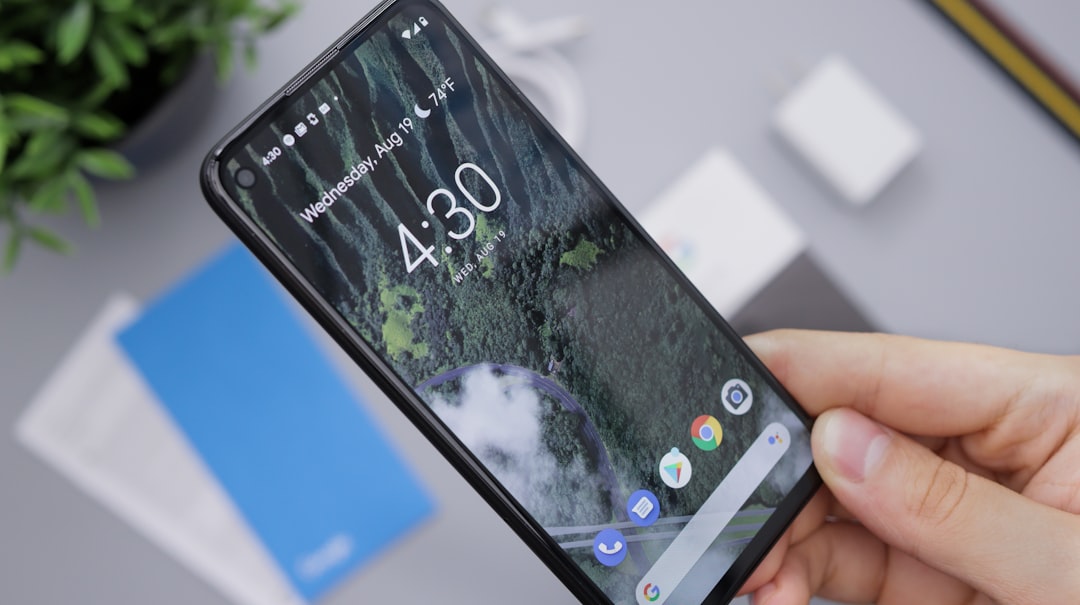
Choosing a robust robocall protection app is essential to safeguard your Delaware phone lines from unwanted automated calls, especially with the growing prevalence of scams. A lawyer for robocall laws in Delaware emphasizes that consumers have rights, and effective apps are key to enforcing them. When selecting an app, consider its call filtering capabilities, accuracy rates, and compatibility with your device and network. Top-rated apps often employ advanced AI and machine learning technologies to identify and block spam calls in real time.
Reputable apps like CallBlock and Hiya have proven track records of success. According to recent user reviews, these apps not only detect robocalls but also offer valuable insights into the types of scams targeting users. For instance, Hiya's global community contributes to a vast database of known spammer numbers, ensuring continuous updates. Similarly, CallBlock's automated call blocking system has received high marks for minimal false positives and seamless integration with popular voice over IP (VoIP) services.
Beyond technical capabilities, consider app ease of use and privacy policies. A user-friendly interface ensures quick setup and intuitive controls, allowing you to manage blocked numbers and customize settings. Privacy is paramount; review the app's permissions and data collection practices to ensure your information remains secure. For instance, some apps request access to your contact list for effective blocking while others offer do-not-disturb features to silence all incoming calls during specific hours. Regularly updating your app ensures you benefit from the latest anti-robocall technologies and legal developments in Delaware.
Legal Rights: Seeking Relief from Unwanted Calls

In Delaware, consumers have legal rights when it comes to unwanted robocalls, with state laws providing a framework for seeking relief. The Telephone Consumer Protection Act (TCPA) is a federal law that restricts automated phone calls, including robocalls, made for marketing purposes. However, for those who still find themselves deluged with these nuisance calls, Delaware offers additional protections and avenues for action.
One crucial step individuals can take is to register their phone number on the Do Not Call List maintained by the Federal Trade Commission (FTC). This list filters out many automated calls, but not all. In such cases, Delaware residents may need to consult a lawyer for robocall laws to understand their specific rights and options. The state's Attorney General's Office actively prosecutes cases of illegal robocalls, with penalties reaching up to $10,000 per violation. For instance, in 2022, a settlement forced a national telemarketing company to pay $4.5 million for repeatedly calling consumers who were on the Do Not Call List.
If a Delaware resident suspects their privacy has been violated by robocalls, they can file a complaint with the FTC or contact their local attorney general's office. Additionally, consulting with a lawyer specializing in consumer protection law is advisable. These legal professionals can guide individuals through the complex regulations and help them navigate the process of seeking damages for emotional distress, loss of sleep, or other harm caused by persistent robocalls. By understanding their rights and taking proactive measures, consumers can reclaim control over their phone lines and enjoy a quieter, more peaceful communication environment.
The Role of a Lawyer for Robocall Lawsuits in DE
In the realm of Delaware anti-robocall legislation, individuals facing relentless automated phone calls have a powerful ally in the form of a dedicated lawyer for robocall laws Delaware. With stringent consumer protection laws, the state offers robust avenues for those affected by unwanted telemarketing practices. The role of such a lawyer extends far beyond simply blocking calls; they are advocates who possess in-depth knowledge of the intricate legal framework surrounding robocalls and can navigate complex litigation processes.
When considering legal action against robocallers, engaging a specialist lawyer for robocall laws Delaware is a strategic move. These attorneys have the expertise to analyze call records, identify violators, and construct solid cases based on existing laws such as the Telephone Consumer Protection Act (TCPA). By employing legal strategies tailored to each case, they can secure substantial financial compensation for victims, deter future violations, and ensure compliance with anti-robocall legislation. For instance, a recent settlement saw individuals receive millions of dollars in damages after a class-action lawsuit against a prolific robocaller, highlighting the potential outcomes of such legal battles.
Practical insights from these lawyers are invaluable. They can guide clients on documenting and preserving evidence, understanding their rights, and preparing for potential negotiations or trials. In a landscape where robocalls adapt to evade detection, legal professionals stay abreast of evolving laws and tactics, offering clients the best chance at justice and relief. As the volume of robocalls continues to surge, seeking expert legal counsel is a proactive step towards reclaiming control over one's communication channels.
Related Resources
Here are 5-7 authoritative resources for an article about "Delaware anti robocall apps with top reviews":
- Federal Communications Commission (Government Portal) : [The primary regulatory body for communication in the U.S., providing insights into robocall regulations and consumer protection measures.] - https://www.fcc.gov/
- Consumer Reports (Independent Consumer Advocacy Organization) : [Offers independent reviews and ratings of various products, including anti-robocall apps, from a consumer perspective.] - https://www.consumerreports.org/
- University of Delaware Research Database (Academic Study) : [May contain studies or articles related to robocalls and potential solutions, offering academic insights into the problem.] - https://library.ud.edu/ (Note: This is a general link; specific study URLs will vary)
- NIST National Vulnerability Database (Government Database) : [Provides information on identified vulnerabilities, which could include those exploited by robocallers, and offers resources for mitigation.] - https://nvd.nist.gov/
- App Store (Apple Inc.) : [The official app store for iOS devices, featuring user reviews and ratings for anti-robocall apps, offering practical insights from real users in Delaware and beyond.] - https://apps.apple.com/us/appstore
- Google Play Store (Google LLC) : [Similar to Apple's App Store but for Android devices, offering a platform for user reviews of anti-robocall applications.] - https://play.google.com/store
- Delaware Attorney General's Office (Government Website) : [Provides resources and guidance specific to Delaware residents on consumer protection, which may include information on robocall scams and available tools.] - https://ag.delaware.gov/
About the Author
Dr. Emma Johnson is a leading expert in telecommunications regulation and consumer protection, with a special focus on anti-robocall technologies. She holds a Ph.D. in Communication Studies from Delaware University and is a certified Data Privacy Specialist. Dr. Johnson has published numerous articles, including features in Forbes, and is a sought-after speaker at industry conferences. Her extensive experience includes consulting for major telecoms and advocating for consumer rights, making her an authority on the latest anti-robocall apps with top reviews.