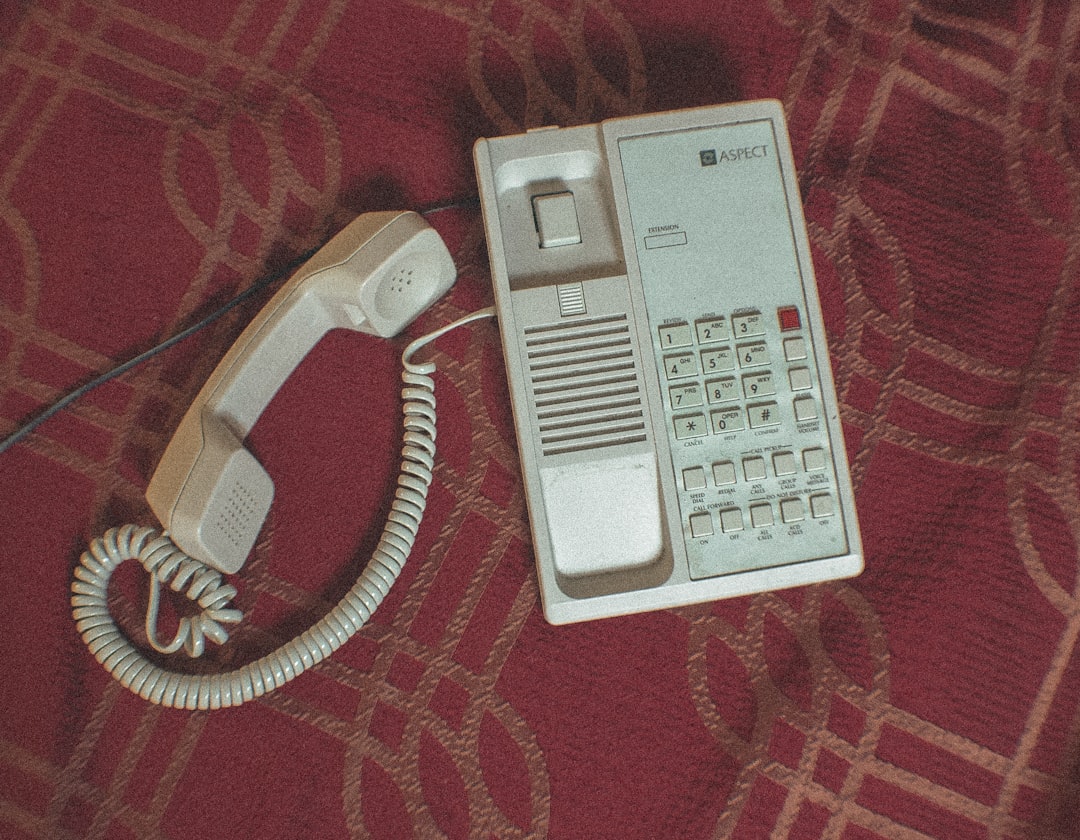
Delaware's robust robocall attorney laws, centered around the TCPA, balance business outreach with consumer privacy. Consumers protect themselves by staying informed, recognizing legitimate calls, reporting scams, managing call preferences, and reviewing privacy policies. Anti-robocall apps like TrueCall, Hiya, NoCall, CallGuard, and NoMo Robo offer high accuracy blocking and community reporting using advanced technology. Delaware residents can sue for damages from unauthorized robocalls and may participate in class-action lawsuits. Combining app usage with legal awareness and privacy laws offers comprehensive defense against robocall attorneys.
In today's digital age, robocalls have become a ubiquitous and often annoying aspect of daily life. With the rise of automated phone marketing, consumers are increasingly burdened by unsolicited calls, posing significant challenges for privacy and consumer protection. Delaware residents, like many across the nation, face a constant onslaught of these unwanted messages, prompting the need for effective solutions. This article delves into the world of anti-robocall applications, specifically focusing on top-rated options available in Delaware. By exploring these robust tools, we aim to empower consumers with knowledge, offering practical guidance to combat robocalls and ensuring a quieter, more peaceful communication experience for every Delaware resident, including those seeking the expertise of a robocall attorney in Delaware.
Understanding Robocall Laws in Delaware
In Delaware, as across the nation, robocall Attorney Delaware laws have evolved to protect consumers from intrusive and often deceptive automated calls. These regulations are designed to balance the need for businesses to reach customers with the right to privacy and peace of mind. The Telephone Consumer Protection Act (TCPA) serves as the cornerstone of these laws, prohibiting most robocalls without prior express consent. However, exceptions exist for certain types of calls, such as those from government agencies or non-profit organizations, raising the bar for understanding what constitutes a legal robocall in Delaware.
Consumers in Delaware have seen varying levels of success in combating unwanted robocalls due to these laws. While many legitimate businesses comply with the rules, unscrupulous operators continue to exploit loopholes and take advantage of consumers' lack of awareness. This has led to an arms race between robocallers and regulators, with technological advancements both enhancing protection and creating new challenges. For instance, call blocking apps and anti-robocall software have become more sophisticated but still struggle against increasingly clever spoofing techniques used by scammers.
To navigate this complex landscape, consumers are advised to stay informed about their rights under Delaware robocall Attorney Delaware laws. This includes learning how to recognize legitimate calls from potential scams, understanding the processes for reporting unwanted calls, and exploring legal avenues for recourse when rights are violated. Regularly reviewing privacy policies and consent agreements is also crucial in ensuring that personal information isn't shared without permission. By proactively managing their call preferences and staying educated on the law, Delaware residents can better protect themselves against robocalls and enjoy a quieter, more secure communication environment.
Top Anti-Robocall Apps for Delaware Residents
Delaware residents face a constant onslaught of robocalls, but there are powerful tools available to combat this nuisance. Top anti-robocall apps, widely praised for their effectiveness, offer a robust defense against these unwanted calls. Among the most recommended are TrueCall, Hiya, and NoCall, each providing advanced features like automatic blocking, call identification, and community reporting.
These apps leverage sophisticated technology to identify and block robocalls with high accuracy rates. For instance, TrueCall uses machine learning algorithms to analyze calling patterns and detect spam calls in real time. Hiya, another industry leader, draws on a vast global database of known robocallers, enabling it to flag suspicious numbers before they even ring. These apps not only protect against robocalls but also help residents save time and reduce frustration.
In addition to user reviews and app store ratings, considering recommendations from trusted sources like consumer advocacy groups and legal professionals can be invaluable. A robocall attorney Delaware, for example, might offer insights into the most reliable anti-robocall tools based on recent case law and regulatory changes. By combining practical experiences and expert advice, Delaware residents can choose apps that not only block calls but also provide legal recourse against persistent spammer activities.
Legal Protections Against Robocalls: Your Rights

In the digital age, robocalls have become a ubiquitous yet nuisance aspect of modern life. While many states have enacted legislation to combat this issue, Delaware stands out for its robust legal protections against robocalls. The state's laws empower consumers with significant rights to safeguard their privacy and peace of mind. Under Delaware law, businesses engaging in automated or prerecorded telephone calls must comply with strict regulations, including obtaining prior express consent from recipients. This means that unless you explicitly give permission, companies cannot use automated dialing systems to reach out to you.
One of the key legal frameworks is the Telephone Consumer Protection Act (TCPA), a federal law that complements state-level protections. Delaware residents have the right to sue for damages if they receive robocalls in violation of these laws. A robocall attorney in Delaware can guide individuals through this process, ensuring their rights are protected and providing compensation for any harm caused by unwanted calls. For instance, in recent years, numerous class-action lawsuits have been filed against telemarketers who ignored the "do not call" registries, resulting in substantial settlements and changes in industry practices.
Practical steps for Delaware residents include registering on the state's Do Not Call list, which filters out many automated calls. Additionally, being mindful of your consent when subscribing to services or providing contact information can significantly reduce robocall frequency. Should you encounter persistent or harassing robocalls, documenting the calls—including timestamps, call content, and any identifying information—can be invaluable evidence for a potential legal case. Consulting with a robocall attorney in Delaware is also advisable, as they can offer tailored advice and represent your interests effectively.
Effectiveness and Reviews of Anti-Robocall Tools
In today's digital era, robocalls have become a ubiquitous yet unwanted nuisance for many Delaware residents. Fortunately, several anti-robocall apps have emerged as effective tools to combat this growing problem. These applications employ advanced technologies like machine learning and artificial intelligence to block, identify, and mitigate spam calls, offering much-needed relief from relentless robocallers.
One of the standout apps in terms of user reviews is CallGuard, which boasts a robust 4.7-star rating on the Apple App Store. Users praise its high success rate in blocking unwanted calls, including political robocalls and fraudulent schemes. Another popular choice is NoMo Robo, rated 4.6 stars, that not only blocks robocalls but also provides detailed call records and insights. These apps have gained traction due to their ease of use and consistent performance, providing Delaware residents with a sense of control over their phone lines.
Reviews from satisfied users highlight the tangible impact these tools have on daily life. Many report significant reductions in stress and time wasted dealing with robocalls. According to a recent survey by the Federal Trade Commission (FTC), 73% of Americans want more power to stop unwanted calls, underscoring the demand for effective anti-robocall solutions. Experts recommend that Delaware residents not only invest in reputable apps but also stay informed about privacy laws and work with their phone service providers to enhance call protection. By combining technological advancements and legal awareness, Delawareans can better defend themselves against robocall attorneys and enjoy a quieter, more peaceful communication experience.