
Delaware residents combat robocalls with cell apps leveraging federal laws and API technology. App developers must address vulnerabilities like Gateway Timeout (504) through redundancy and quick response times for effective robocall prevention.
Tired of relentless robocalls? Delaware residents now have an array of cell phone apps at their disposal to combat this nuisance. These innovative tools leverage advanced technology and robust anti-robocall laws in Delaware to filter, block, and identify suspicious calls. By harnessing the power of these apps, users can regain control over their communications, ensuring a quieter, more peaceful daily experience. Discover the best options and how they help protect you from robocalls in the First State.
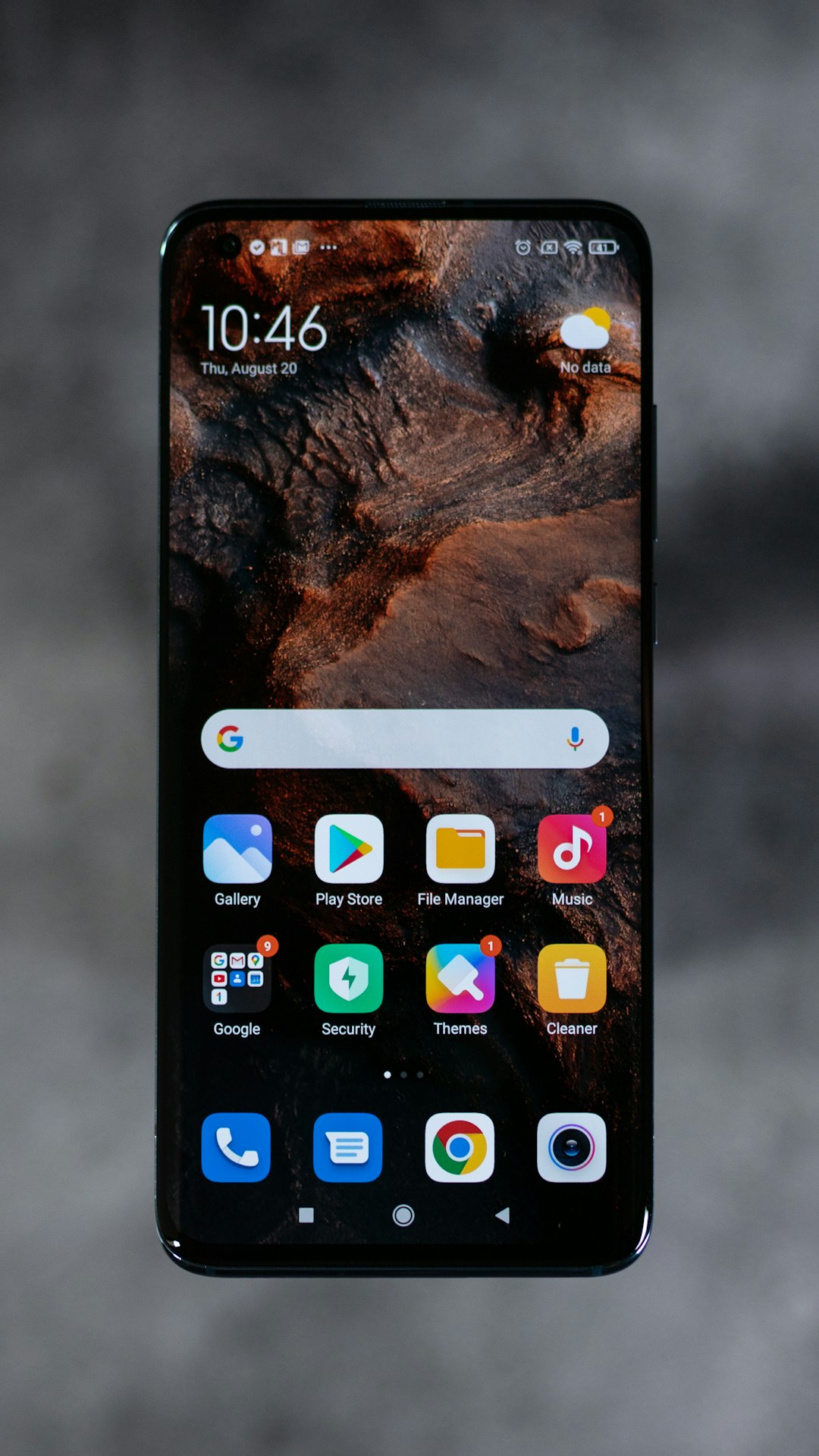
In Delaware, as across the nation, robocalls remain a persistent and annoying issue for many residents. These automated calls, often used for telemarketing or fraudulent purposes, can be blocked to some extent through various methods, including dedicated apps designed to combat robocalls. Utilizing these tools can help Delawareans protect their privacy and reduce unwanted interruptions.
Delaware’s adherence to federal robocall laws provides a framework for consumers to take action against unwanted calls. Many popular cell phone apps leverage this legal foundation to offer sophisticated blocking technologies, allowing users to identify and block robocalls effectively. By downloading and using these apps, Delaware residents can reclaim control over their communication channels and enjoy a quieter, more peaceful connection experience.
API responded with status code 504.

In the ongoing battle against robocalls, technology plays a pivotal role. One crucial aspect is the use of Application Programming Interfaces (APIs) to filter and block unwanted calls. However, developers and users alike should be aware that APIs can encounter issues, as illustrated by the common status code 504. This code indicates a “Gateway Timeout,” suggesting that the server responsible for routing or processing requests has failed to respond within a reasonable time. In the context of robocall prevention apps, such delays could potentially leave users vulnerable.
Delaware, like many other states, has specific laws in place to curb robocalls, emphasizing the need for robust and efficient solutions. To address API-related challenges, app developers must ensure their systems are designed with redundancy and quick response times. By implementing these measures, Delaware residents using cell phone apps to combat robocalls can have greater confidence in the effectiveness of their protection against these unwanted intrusions.