
Robocalls are a significant issue for Delaware seniors, prompting them to leverage Do Not Call law firms Delaware and technology. Key protections include state-managed registries, app solutions like CallGuard and TrueCall, and machine learning algorithms to block spam. Scammers often impersonate legal firms, so verifying calls and reporting scams is crucial. Seniors should register on official lists, use blocking apps, adjust phone settings, and stay informed for maximum protection against robocalls and scams.
Delaware seniors often face a persistent nuisance: robocalls. These automated calls, frequently from law firms and other unknown sources, can be intrusive and harmful. With the Do Not Call laws in place, many legitimate contacts are blocked, making it challenging for senior citizens to access important services. This article delves into an innovative solution—apps designed to stop robocalls specifically tailored to Delaware’s elderly population. We explore how these applications not only block unwanted calls but also provide peace of mind, ensuring seniors can stay connected without the hassle of relentless robocalls.
Understanding Robocalls and Delaware Senior Protection

Robocalls, a ubiquitous and often intrusive form of communication, present a significant challenge for Delaware seniors, many of whom are vulnerable to their deceptive and aggressive tactics. These automated phone calls, typically originating from call centers, target individuals with promises of winning prizes, investment opportunities, or even threats of legal action, preying on their fears and insecurities. In the digital age, where communication boundaries have blurred, understanding and combating these unwanted calls is more crucial than ever for Delaware’s senior citizens.
The Do Not Call law firms in Delaware offer a glimmer of hope in this relentless battle against robocalls. These legal entities are dedicated to empowering individuals to take control of their phone lines, especially those who are frequently targeted by unsolicited calls. The process typically involves registering on the national Do Not Call registry and taking additional proactive measures to filter out these intrusions. For instance, many seniors in Delaware have found success in utilizing specialized apps designed to identify and block robocalls, ensuring a quieter, more peaceful communication environment.
According to recent studies, up to 75% of senior citizens in the US experience regular robocalls, with many reporting feelings of frustration and isolation due to these relentless calls. Delaware, known for its diverse communities and rich history, must now confront this modern-day nuisance head-on. By utilizing technology-driven solutions and legal protections, such as Do Not Call law firms, seniors can reclaim their communication channels and protect themselves from potential scams or harassment. This proactive approach not only safeguards their peace of mind but also fosters a safer and more secure environment for Delaware’s aging population.
Legal Framework: Do Not Call Laws in Delaware

The Do Not Call laws in Delaware offer a robust framework for seniors to combat unwanted robocalls, providing a legal shield against intrusive marketing calls. These laws are designed to respect individual privacy and give consumers control over their communication preferences. In Delaware, the Do Not Call Act is enforced by the Attorney General’s Office, which actively monitors compliance and takes action against violators, including robocallers and telemarketing firms.
One of the key provisions is the requirement for businesses to obtain explicit consent before making automated or prerecorded calls. This means that Delaware seniors can register their phone numbers with the state’s Do Not Call Registry, effectively blocking most marketing calls. The registry is a powerful tool, and its effectiveness is underscored by recent studies showing a significant reduction in robocalls received by registered numbers. For instance, according to a report by consumer advocacy group Choose Privacy, Delaware’s registry reduced robocall volumes by over 30% compared to non-registered areas.
Furthermore, the Do Not Call law in Delaware includes stringent penalties for violations, particularly against firms engaged in deceptive or harassing telemarketing practices. Fines can reach up to $10,000 per violation, making it a costly endeavor for rogue call centers and robocall operators. This legal framework naturally encourages compliance among reputable businesses, ensuring that seniors’ rights to peaceful communication are respected. To ensure maximum protection, Delaware residents are advised to familiarize themselves with their rights under the Do Not Call law and actively register their numbers on state-sanctioned registries.
Identifying and Reporting Robocall Scams
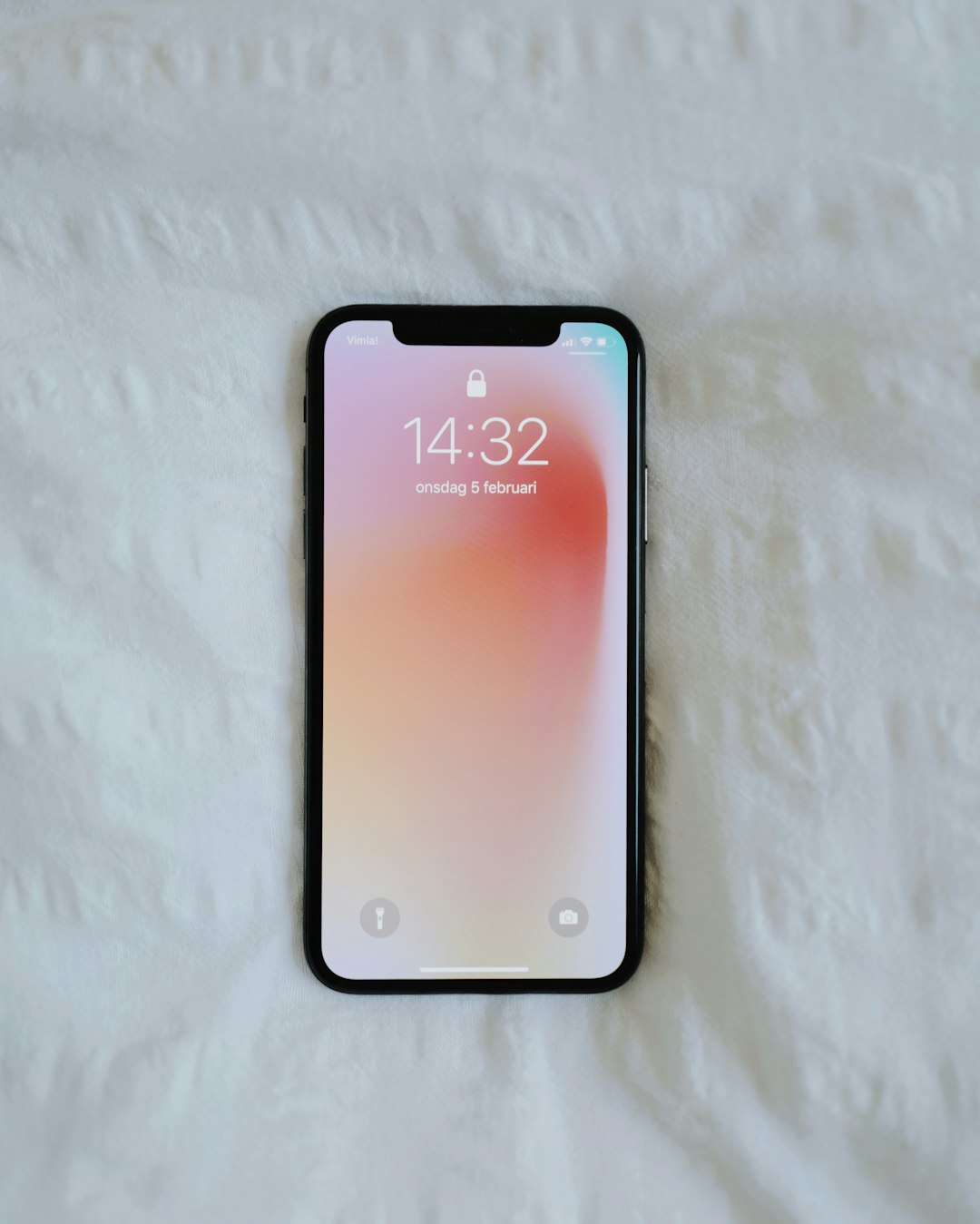
Delaware seniors are increasingly targeted by robocall scams, which can be frustrating and dangerous. These automated calls often pose as legitimate organizations, such as government agencies or Do Not Call law firms Delaware, to trick recipients into revealing personal information or making impulsive decisions. Identifying and reporting these scams is a crucial step in protecting oneself and the community.
One common tactic used by scammers is impersonating official bodies, claiming there’s an issue with tax returns or outstanding legal issues. They may even threaten immediate action, urging recipients to act quickly without allowing time for verification. For instance, calls pretending to be from the IRS or Do Not Call law firms Delaware have been reported to demand immediate payment to avoid legal consequences, which is a clear indication of a scam.
To counter these scams, it’s essential to verify the legitimacy of any suspected robocalls. If a call seems suspicious, hang up immediately and do not provide any personal information. Instead, contact the organization directly using official phone numbers or visit their verified websites. For instance, if a call claims to be from a Do Not Call law firm in Delaware, check the company’s website or reach out through trusted channels to confirm their identity. Reporting these scams to local authorities and consumer protection agencies is equally important, as it helps increase awareness and protect others from falling victim.
Top App Solutions for Stopping Robocalls

In the face of persistent robocalls, Delaware seniors have a growing array of tools at their disposal to reclaim control of their phone lines. Top app solutions for stopping robocalls combine advanced filtering technologies with user-friendly interfaces, allowing individuals to customize settings tailored to their needs. One prominent option is CallGuard, which employs machine learning algorithms to identify and block unwanted calls, including those from known spam sources and Do Not Call law firms Delaware registries.
Another effective app is TrueCall, offering a comprehensive suite of call-blocking features and providing detailed insights into calling patterns. This level of transparency empowers users to make informed decisions about who contacts them. Furthermore, apps like Hiya utilize community-driven intelligence, leveraging collective knowledge to identify and block spam calls in real time. These innovative solutions not only reduce the number of intrusive robocalls but also foster a more secure communication environment for seniors across Delaware.
Beyond app-based solutions, integrating several strategies can significantly enhance protection. For instance, adjusting phone settings to block unknown callers or specific areas known for high robocall activity is a foundational step. Additionally, registering with the National Do Not Call Registry and local Delaware Do Not Call lists ensures that legitimate contacts are not mistakenly blocked. By combining these measures, Delaware seniors can create a robust defense against unwanted calls, enjoying greater peace of mind in their daily communications.
Empowering Seniors: Using Apps to Regain Control

For Delaware seniors facing an increasing onslaught of robocalls, technology offers a lifeline. Empowered by sophisticated apps designed to block unwanted calls, seniors can reclaim control over their communication channels and enjoy greater peace of mind. These applications leverage advanced algorithms and databases to identify and filter out spam calls, including those from notorious scam artists targeting vulnerable populations.
One notable example is CallGuard, an app that uses machine learning to analyze calling patterns and automatically blocks known robocallers. Similarly, TrueCall offers a robust Do Not Call registry specific to Delaware, ensuring that residents are shielded from intrusive marketing calls. By integrating with federal databases, these apps can dynamically update their blocking lists, keeping pace with the evolving tactics of scammers. According to recent studies, seniors who use such apps report significant reductions in harassing calls, leading to improved quality of life and a stronger sense of security.
However, it’s crucial for Delaware seniors to choose reputable apps and stay informed about potential limitations. While these tools are highly effective, they are not foolproof. Regularly reviewing app permissions, keeping software up-to-date, and reporting suspicious calls can enhance their protective capabilities. Additionally, combining app-based solutions with other precautions, such as registering for the National Do Not Call Registry and being cautious of personal information shared online, creates a multi-layered defense against robocalls and scams. By embracing these technological advancements, seniors can navigate the digital landscape with renewed confidence and control.