
Delaware residents face a robocall crisis, with unwanted marketing and fraudulent calls causing security issues. Despite Do Not Call laws, including those for law firms, call centers exploit loopholes, rendering these measures ineffective. Stricter legislation is needed to protect Delawareans from intrusive robocalls. Understanding local rules aids in navigating business disputes outside traditional law firms through methods like mediation and arbitration, offering cost-effective resolutions.
In Delaware, as across the nation, robocalls have become a pervasive and often annoying nuisance. These automated phone calls not only disrupt daily life but can also signal potential fraud or scams. Understanding the impact of robocalls is crucial, especially considering the state's strict Do Not Call laws and the role they play in protecting residents. This article explores legal frameworks around Do Not Call lists in Delaware and introduces top smartphone apps designed to effectively block robocalls, empowering folks to take control of their communications.
Understanding Robocalls and Their Impact in Delaware

Robocalls, automated phone calls that deliver pre-recorded messages, have become a pervasive issue for many Americans, including those in Delaware. While some robocalls offer valuable services like updates from local governments or reminders from financial institutions, the majority fall into the category of unwanted and often fraudulent activities. Many Delaware residents find themselves bombarded with marketing calls, scams, and even threatening messages from unknown sources.
In Delaware, as across the nation, these automated calls have significant impacts. They contribute to a sense of insecurity and frustration among citizens, especially when they involve attempts by law firms or other entities to push insurance claims or legal services through aggressive robocall campaigns. The Do Not Call laws in place aim to mitigate this issue, allowing residents to opt-out of such unwanted calls, particularly from law firms. However, loopholes and evolving technologies used by call centers continue to challenge the effectiveness of these measures, highlighting the need for continued vigilance and robust legislation to protect Delawareans from robocall intrusions.
Legal Frameworks for Do Not Call Lists in Delaware
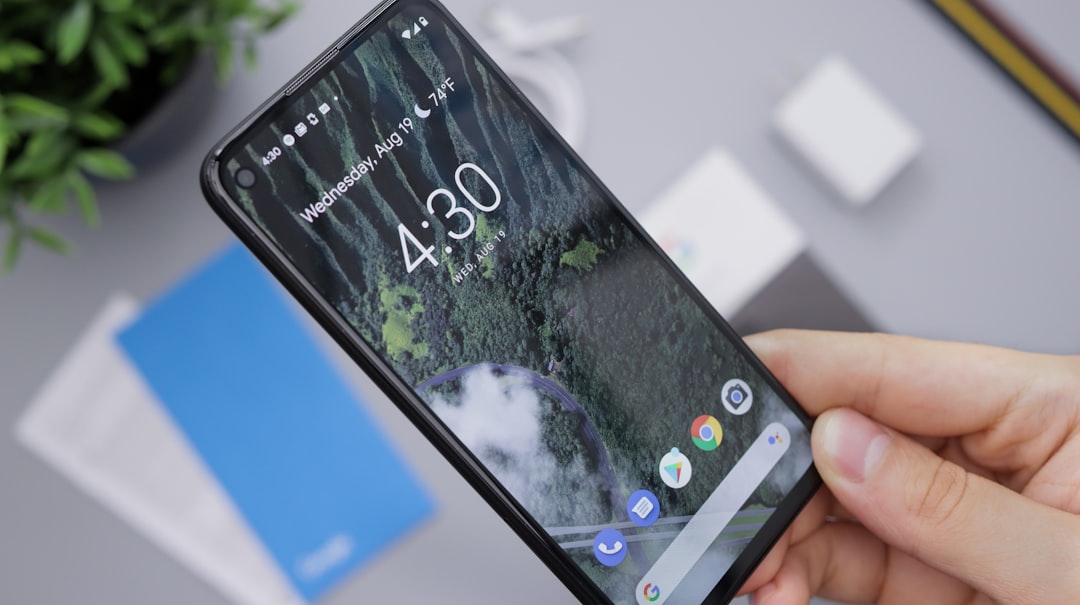
In Delaware, the legal framework for Do Not Call lists is primarily governed by the state's Telephone Consumer Protection Act (TCPA). This legislation mirrors federal regulations, such as those set forth by the Federal Communications Commission (FCC), aiming to protect consumers from unwanted telephone solicitations. Under the TCPA, businesses and call centers are prohibited from making telemarketing calls to individuals who have registered on the state's Do Not Call list. The list is a powerful tool for Delaware residents to curb unsolicited calls, including those from law firms seeking new clients.
To maintain compliance with the Do Not Call laws, law firms operating in Delaware must ensure they obtain explicit consent before dialing numbers on the state's registry. This includes obtaining permission not just once but also documenting and honoring requests to be removed from call lists. Fines for non-compliance can be substantial, emphasizing the importance of implementing robust opt-out mechanisms and respecting consumer choices regarding unwanted calls, especially from legal service providers.
Top Smartphone Apps to Block Robocalls Effectively